Photo: Kakre Bihar Temple · Wikimedia Commons
Surkhet
काक्रे बिहार
A 12th-century Shikhara temple in the pines above Birendranagar — Karnali's premier archaeological site blending Hindu and Buddhist heritage.
Read in your language
Hear this page read aloud (separate from the optional recorded story further down).
Overview from your place content, summary, highlights, history, and visit tips. Open Full guide for page sections.
Kakre Bihar is a 12th-century Shikhara temple ruin in the forest above Birendranagar — one of Karnali's most important archaeological sites, revered by both Hindus and Buddhists and restored in 2021.
12th-century Shikhara ruins, Buddhist-Hindu artefacts, forest sanctuary, 2021 reconstruction.
Khas Malla era temple; major western Nepal archaeological site; NP-SK-03 heritage monument.
Short hike from Birendranagar → temple compound → forest viewpoints. Allow 2–3 hours.
Welcome to Kakre Bihar. Stone deities sleep beneath pine needles where a kingdom once prayed in two faiths at once.
At a Glance
Location
Birendranagar, Surkhet
Built
12th century (Khas Malla)
Style
Shikhara temple
Setting
~180 ha forest
Restored
2021 reconstruction
Best time
Oct–Apr
Heritage
Excavations from 2001 onward recovered Buddha, Vishnu, Saraswati, and inscription stones across a vast forest sanctuary. Kakre Bihar fell into ruin by the late 16th century but remains among Nepal's most significant post-Lumbini archaeological discoveries.
Visual Journey
Sacred Calendar
Seasonal observances and local gatherings.
Suggested Schedule
Half-day visit from Birendranagar; short forest hike.
Morning
Pine forest trail to compound.
Restored Shikhara and artefact displays.
Surkhet basin panorama.
Practical Information
Dress
Modest attire
Active worship site
Access
Forest trail
20–30 min walk
Photography
Generally allowed
Respect puja times
Entry
Nominal fee possible
Check at gate
Flights from Kathmandu and Nepalgunj.
~2 hours by road.
Taxi to trailhead, then walk.
Extend Your Journey
Kakre Bihar is the gateway archaeological site of Karnali Province.
From the Community
Archaeological walks and temple visits at Kakre Bihar, Surkhet.
These videos are shared by devotees and travelers. They are not official productions of the heritage programme.

Sinja Valley, Jumla
Sinja Valley is the cradle of the Khas language — early form of modern Nepali — and the 12th–14th century capital of the Khas Malla Kingdom, inscribed on UNESCO's tentative World Heritage list.
Rara Lake & Rara National Park
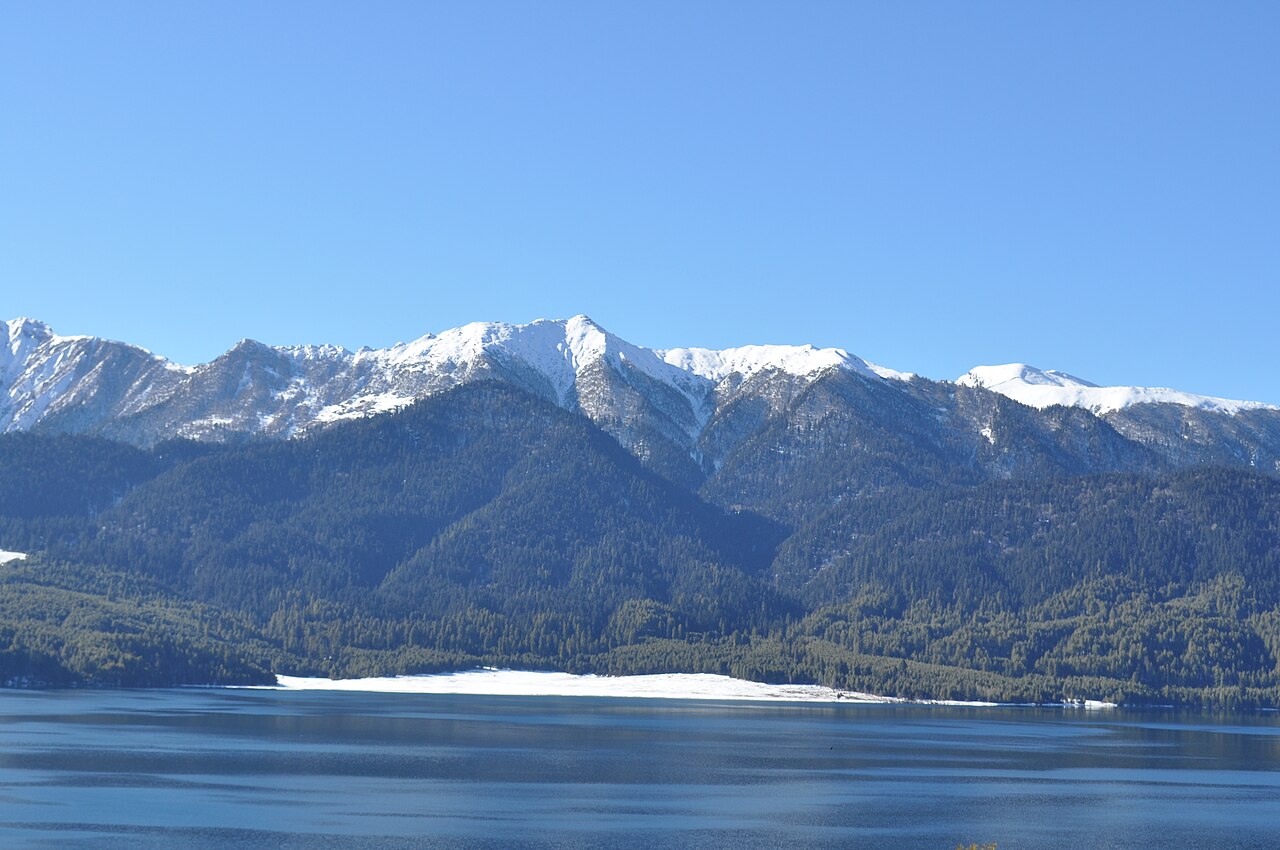
Rara Lake is Nepal's largest freshwater lake — a jewel of blue water at 2,990 m in Mugu District, wrapped in Khasa-era legend and protected within Rara National Park.

Chandannath Temple, Jumla
Chandannath Temple crowns Khalanga bazaar in Jumla — a historic Shiva shrine central to the district's identity and the spiritual heart of Nepal's remote Karnali hills.

Bhurti Temple Complex
The Bhurti Temple Complex near Dailekh holds 22 medieval stone devala shrines — dry-stone Panchadeval temples from the 13th–15th centuries, on UNESCO's tentative list and unique to Karnali's Khasa-Raskoti heritage.