Photo: Chandannath mandir · Wikimedia Commons
Jumla
चन्दननाथ मन्दिर
Historic Shiva temple crowning Khalanga bazaar — the spiritual heart of Jumla and customary blessing stop before Sinja or Rara.
Read in your language
Hear this page read aloud (separate from the optional recorded story further down).
Overview from your place content, summary, highlights, history, and visit tips. Open Full guide for page sections.
Chandannath Temple crowns Khalanga bazaar in Jumla — a historic Shiva shrine central to the district's identity and the spiritual heart of Nepal's remote Karnali hills.
Chandannath Shiva shrine, Bhairabnath temple pair, Maha Shivaratri fair, Jumla bazaar landmark.
Historic hill-town temple; guardian deity of Jumla district; living Karnali Hindu tradition.
Walk Khalanga bazaar → Chandannath darshan → Bhairabnath compound. Allow 1–2 hours.
Welcome to Chandannath. Before the trails climb to Sinja or Rara, Jumla pauses here to ask Lord Shiva for safe passage.
At a Glance
Location
Khalanga, Jumla
Deity
Lord Chandannath (Shiva)
Pair
Bhairabnath Temple adjacent
Major festival
Maha Shivaratri
Elevation
~2,300 m
Best time
Mar–May, Sep–Nov
Heritage
Chandannath and Bhairabnath temples dominate the ridge above Jumla's administrative centre. For generations, traders, herders, and pilgrims bound for Sinja, Rara, or high pastures have paused here for Shiva's blessing before entering Karnali's wild interior.
Visual Journey
Sacred Calendar
Seasonal observances and local gatherings.
Suggested Schedule
1–2 hours in Khalanga; gateway stop before upper Karnali trips.
Morning
Quietest time at sanctum.
Adjacent temple compound.
Jumla market and apple orchards.
Practical Information
Dress
Modest, remove shoes
Cover shoulders in sanctum
Photography
Exterior generally OK
Ask before inner shrine
Entry
Free
Donations welcome
Climate
Cold winters
Snow possible Dec–Feb
Flights from Nepalgunj.
Multi-day journey via Dailekh.
Short uphill walk from Khalanga bazaar.
Extend Your Journey
Chandannath opens the upper Karnali heritage trail.
From the Community
Jumla bazaar and Chandannath Temple visits.
These videos are shared by devotees and travelers. They are not official productions of the heritage programme.

Sinja Valley, Jumla
Sinja Valley is the cradle of the Khas language — early form of modern Nepali — and the 12th–14th century capital of the Khas Malla Kingdom, inscribed on UNESCO's tentative World Heritage list.

Kakre Bihar, Surkhet
Kakre Bihar is a 12th-century Shikhara temple ruin in the forest above Birendranagar — one of Karnali's most important archaeological sites, revered by both Hindus and Buddhists and restored in 2021.
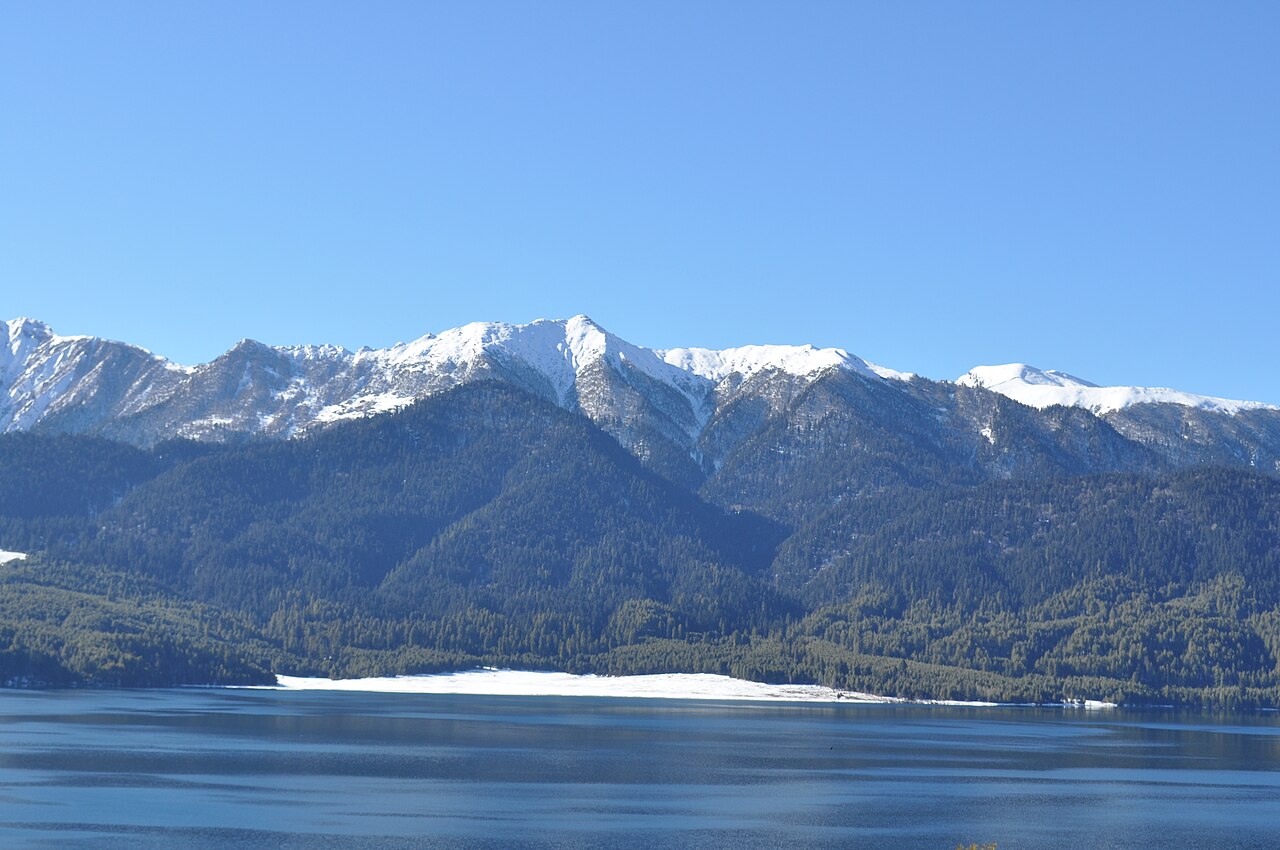
Rara Lake & Rara National Park
Rara Lake is Nepal's largest freshwater lake — a jewel of blue water at 2,990 m in Mugu District, wrapped in Khasa-era legend and protected within Rara National Park.

Bhurti Temple Complex
The Bhurti Temple Complex near Dailekh holds 22 medieval stone devala shrines — dry-stone Panchadeval temples from the 13th–15th centuries, on UNESCO's tentative list and unique to Karnali's Khasa-Raskoti heritage.