Kathmandu
पशुपतिनाथ
Nepal's holiest Hindu shrine — Lord Shiva's sanctuary on the sacred Bagmati River, where cremation ghats and centuries of pilgrimage meet.
Read in your language
Hear this page read aloud (separate from the optional recorded story further down).
Overview from your place content, summary, highlights, history, and visit tips. Open Full guide for page sections.
Pashupatinath is Nepal's holiest Hindu shrine, dedicated to Lord Shiva as Pashupatinath on the banks of the Bagmati River in Kathmandu. A UNESCO World Heritage Site, the pagoda temple and cremation ghats draw pilgrims from across South Asia, especially during Maha Shivaratri.
Main Shiva temple, Bagmati cremation ghats, Maha Shivaratri fair, sadhu akhadas, Guhyeshwari Temple.
Documented from the Licchavi period; regarded as Nepal's most sacred Shaiva tirtha and a seat of national ritual life.
Morning: Bagmati ghats → outer temple circuit → Guhyeshwari & sadhu quarter. Allow 3–4 hours. Combine with Swayambhunath or Boudhanath the same day by taxi.
Welcome to Pashupatinath. The Bagmati carries prayers downstream, and every bell you hear is someone's vow. Walk slowly — this is a place where Nepal's spiritual heart beats in public.
At a Glance
Location
Kathmandu, Bagmati Province
Deity
Lord Pashupatinath (Shiva)
Heritage
UNESCO World Heritage Site
River
Bagmati (sacred ghats)
Major festival
Maha Shivaratri
Best time
Oct–Mar (clear mornings)
Heritage
Pashupatinath is among the most sacred Shiva sites in South Asia. The pagoda-style main temple with gilded roofs stands above cremation ghats where Hindus perform antyesti rites. Sadhus, pilgrims, and festival crowds animate the precinct year-round; Maha Shivaratri draws hundreds of thousands. Non-Hindus may not enter the inner sanctum but can respectfully observe from designated areas.
Visual Journey
Sacred Calendar
Major observances on the valley ritual calendar.
Suggested Schedule
Allow a half day for darshan, ghats, and the sadhu quarter.
Morning focus
Observe morning rituals from respectful viewing areas.
Circumambulate outer courtyards; visit smaller shrines.
Explore ancillary shrines east of the main complex.
Practical Information
Dress
Modest
Shoulders & knees covered
Photography
Ask first
No photos at cremation ghats
Entry
Fee for foreigners
Inner temple Hindus only
Hours
Dawn–dusk
Earlier is quieter
15–25 min by taxi to Gaushala / main gate.
Local buses along Gaushala Road from central Kathmandu.
Extend Your Journey
Other Bagmati Valley World Heritage sites within easy reach.
From the Community
Temple visits and pilgrimage films from devotees at Nepal's holiest Shiva shrine.
These videos are shared by devotees and travelers. They are not official productions of the heritage programme.

Kathmandu Durbar Square
Kathmandu Durbar Square (Basantapur) is the old royal palace quarter of the Malla and Shah kings — Hanuman Dhoka, Kumari Ghar, and pagoda temples in a UNESCO-listed living city square.

Bhaktapur Durbar Square
Bhaktapur Durbar Square preserves Malla-era Newar architecture at its most complete — the 55 Window Palace, Golden Gate, Taumadhi's Nyatapola Temple, and living craft squares.
Patan Durbar Square
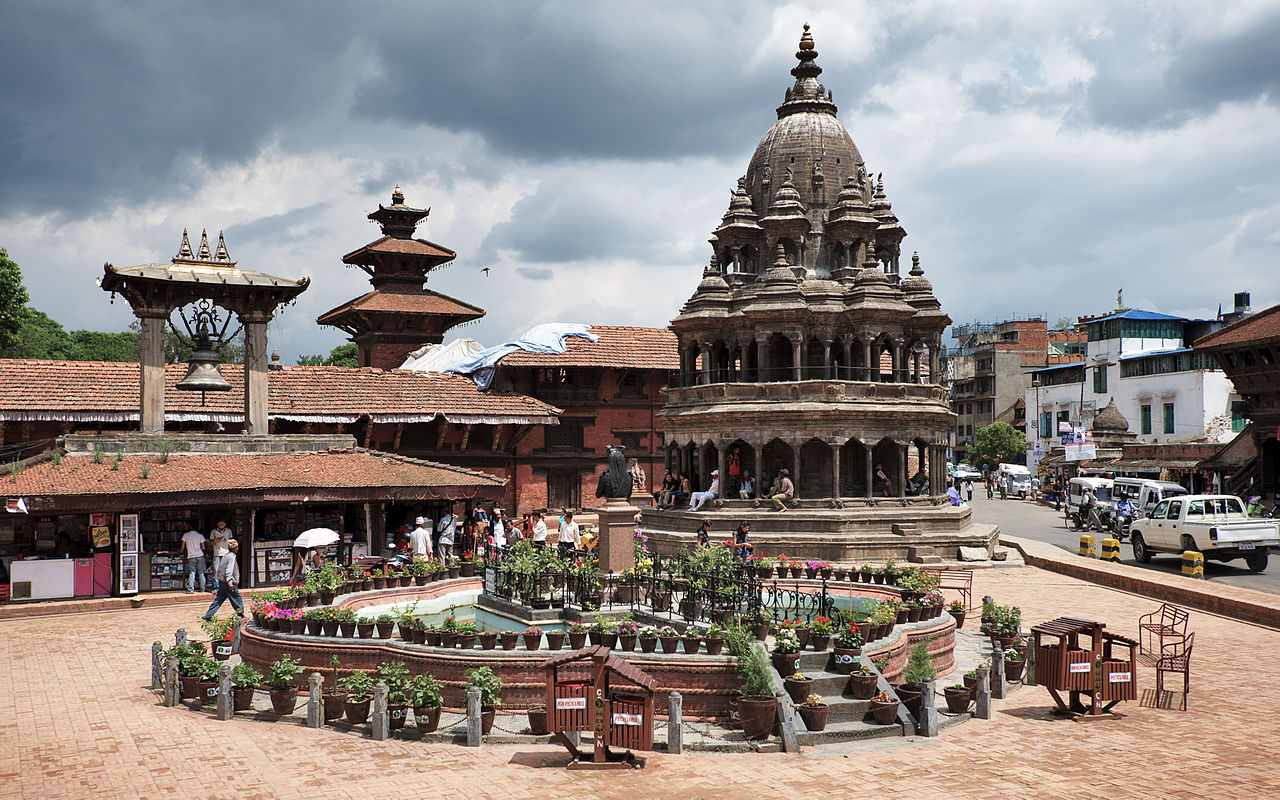
Patan Durbar Square in Lalitpur is a UNESCO site famed for Newar art — Krishna Mandir, the Patan Museum, and CyArk 3D heritage documentation of palace architecture.

Swayambhunath (Monkey Temple)
Swayambhunath is an ancient Buddhist stupa overlooking Kathmandu Valley — the 'Monkey Temple' where painted eyes, prayer flags, and shared Hindu-Buddhist devotion crown a forested hill.